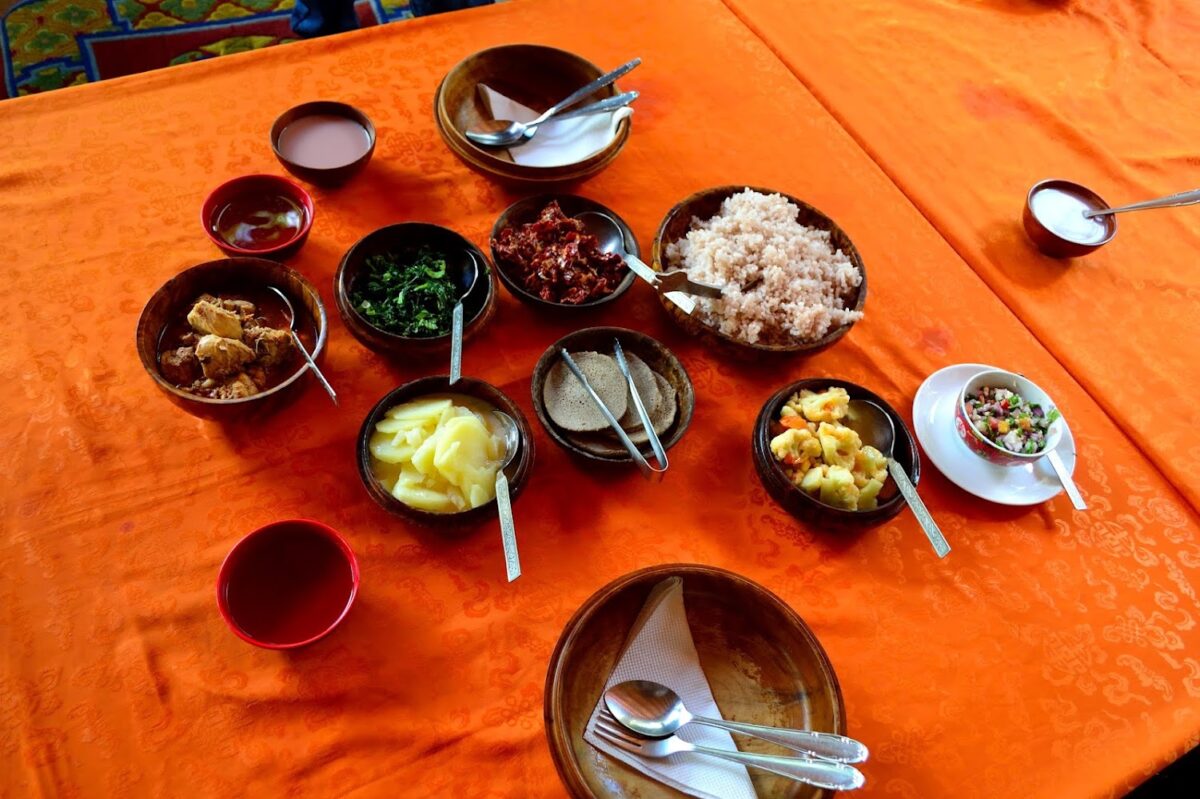
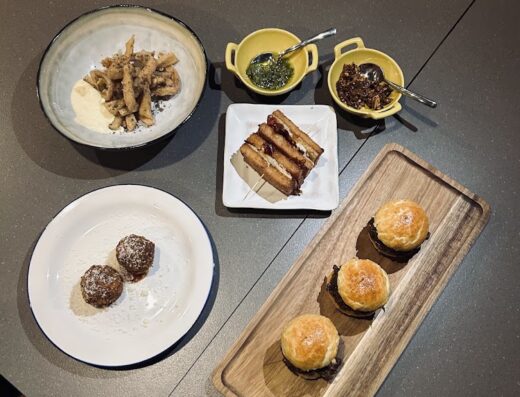
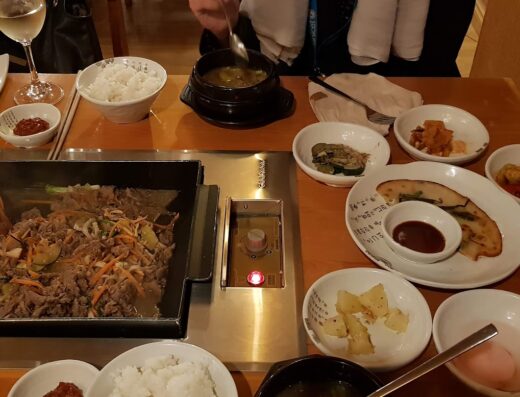
Do not let your guide force you here as ours did. It’s selling the traditional setting but the food is so overpriced. We were fooled into paying more for one meal than all the rest of the meals in Thimphu. Go find somewhere local. Pay a real price. Eat good food.
Unlike highly choreographed tourist spots, this museum feels incredibly authentic. Housed in a beautifully restored, three-story timber and rammed-earth farmhouse from the 19th century, it instantly transports you back to what rural Bhutanese life looked like generations ago.Stepping inside, the attention to historical detail is remarkable, making it a truly immersive experience.
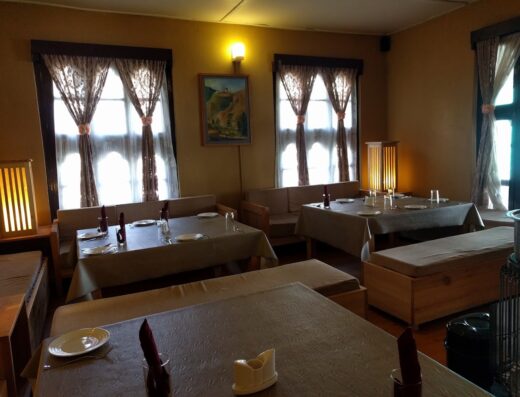
For Authentic Bhutanese cuisine this is the place to be, try thier set Lunch while seating on low mattresses. Highly recommended.
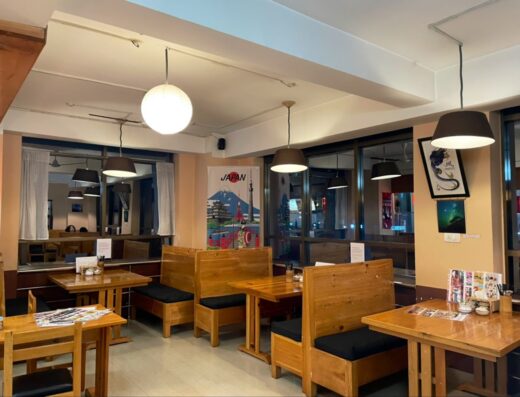
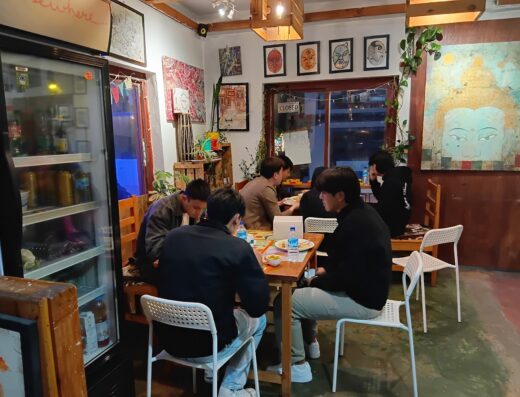
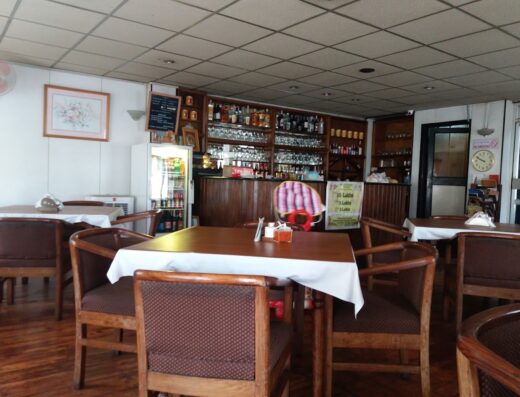
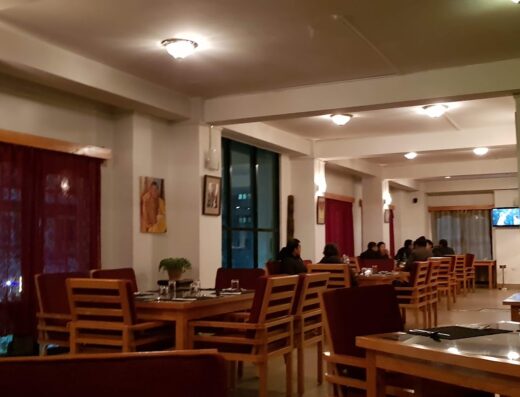
Folk Heritage Restaurant was honestly a disappointing experience during our visit to Thimphu. The restaurant may appeal to travelers wanting a basic traditional setup, but for Indian visitors expecting flavorful food and a memorable dining experience, it may not feel worth the price at all. The overall ambiance and décor were quite ordinary and lacked the charm or appeal that was expected from a place carrying such a cultural name.
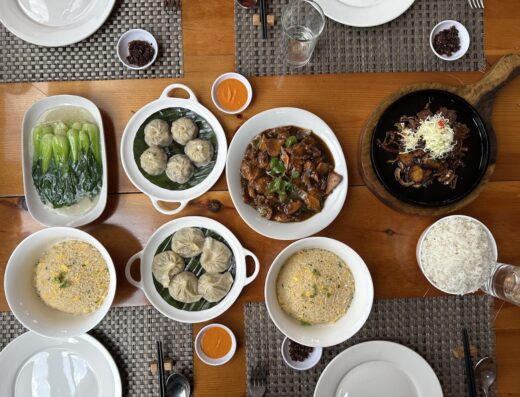
While the staff members were humble, polite, and friendly throughout the visit, the food itself was extremely average and failed to impress in terms of taste, quality, and presentation. The dishes lacked flavor and did not justify the high pricing. Overall, it felt more like a tourist-oriented place rather than a genuinely satisfying dining experience. Unfortunately, the meal turned out to be a waste of appetite and expectations despite the courteous hospitality from the staff.
The Folk Heritage Museum (also known as Phelchey Toenkhyim) is a living history museum located in the Kawajangsa neighborhood of Thimphu, Bhutan. Established in 2001 under the patronage of Queen Mother Ashi Dorji Wangmo Wangchuck, it preserves and showcases traditional Bhutanese rural life, artifacts, and centuries-old customs.The Structure & ExhibitsThe center of the museum is a restored 3-story traditional rammed-mud and timber house built in the mid-19th century. The layout replicates a conventional household from the Wang area of that era:Ground Floor (Okhang): Historically used as a barn and cattle shelter. It opens into a courtyard storing firewood, farming tools, and large wooden mortars used for pounding rice.Second Floor (Barthog): Serves as a safe storage facility and granary where agricultural products like red rice are kept in large baskets.Top Floor (Thabtshang): The primary family living, dining, and sleeping area. It features a traditional kitchen with a mud stove fueled by firewood and a sacred family altar room (choesham).The Grounds: The house is surrounded by fields of paddy, wheat, and millet. Outside, you will find a 150-year-old water-propelled stone mill, kitchen gardens, a water-propelled prayer wheel, and a traditional hot-stone bath setup.




 Add Review
 Read More Reviews

L.Robert1991
a month agoDo not let your guide force you here as ours did. It’s selling the traditional setting but the food is so overpriced. We were fooled into paying more for one meal than all the rest of the meals in Thimphu. Go find somewhere local. Pay a real price. Eat good food.
anup singh
3 months agoUnlike highly choreographed tourist spots, this museum feels incredibly authentic. Housed in a beautifully restored, three-story timber and rammed-earth farmhouse from the 19th century, it instantly transports you back to what rural Bhutanese life looked like generations ago.Stepping inside, the attention to historical detail is remarkable, making it a truly immersive experience. For Authentic Bhutanese cuisine this is the place to be, try thier set Lunch while seating on low mattresses. Highly recommended.
Rajeev Jha
3 months agoFolk Heritage Restaurant was honestly a disappointing experience during our visit to Thimphu. The restaurant may appeal to travelers wanting a basic traditional setup, but for Indian visitors expecting flavorful food and a memorable dining experience, it may not feel worth the price at all. The overall ambiance and décor were quite ordinary and lacked the charm or appeal that was expected from a place carrying such a cultural name. While the staff members were humble, polite, and friendly throughout the visit, the food itself was extremely average and failed to impress in terms of taste, quality, and presentation. The dishes lacked flavor and did not justify the high pricing. Overall, it felt more like a tourist-oriented place rather than a genuinely satisfying dining experience. Unfortunately, the meal turned out to be a waste of appetite and expectations despite the courteous hospitality from the staff.
Dr Indrani
3 months agoThe Folk Heritage Museum (also known as Phelchey Toenkhyim) is a living history museum located in the Kawajangsa neighborhood of Thimphu, Bhutan. Established in 2001 under the patronage of Queen Mother Ashi Dorji Wangmo Wangchuck, it preserves and showcases traditional Bhutanese rural life, artifacts, and centuries-old customs.The Structure & ExhibitsThe center of the museum is a restored 3-story traditional rammed-mud and timber house built in the mid-19th century. The layout replicates a conventional household from the Wang area of that era:Ground Floor (Okhang): Historically used as a barn and cattle shelter. It opens into a courtyard storing firewood, farming tools, and large wooden mortars used for pounding rice.Second Floor (Barthog): Serves as a safe storage facility and granary where agricultural products like red rice are kept in large baskets.Top Floor (Thabtshang): The primary family living, dining, and sleeping area. It features a traditional kitchen with a mud stove fueled by firewood and a sacred family altar room (choesham).The Grounds: The house is surrounded by fields of paddy, wheat, and millet. Outside, you will find a 150-year-old water-propelled stone mill, kitchen gardens, a water-propelled prayer wheel, and a traditional hot-stone bath setup.
abhish Sm
3 months ago